Understanding the Wholesale Pricing of Corrugated Perforated Metal A Comprehensive Guide
In recent years, the demand for corrugated perforated metal has surged across various industries. This versatile material finds applications in construction, automotive, and even artistic ventures, thanks to its lightweight yet sturdy structure. As businesses and creators recognize its potential, understanding the pricing dynamics in the wholesale market becomes essential.
What is Corrugated Perforated Metal?
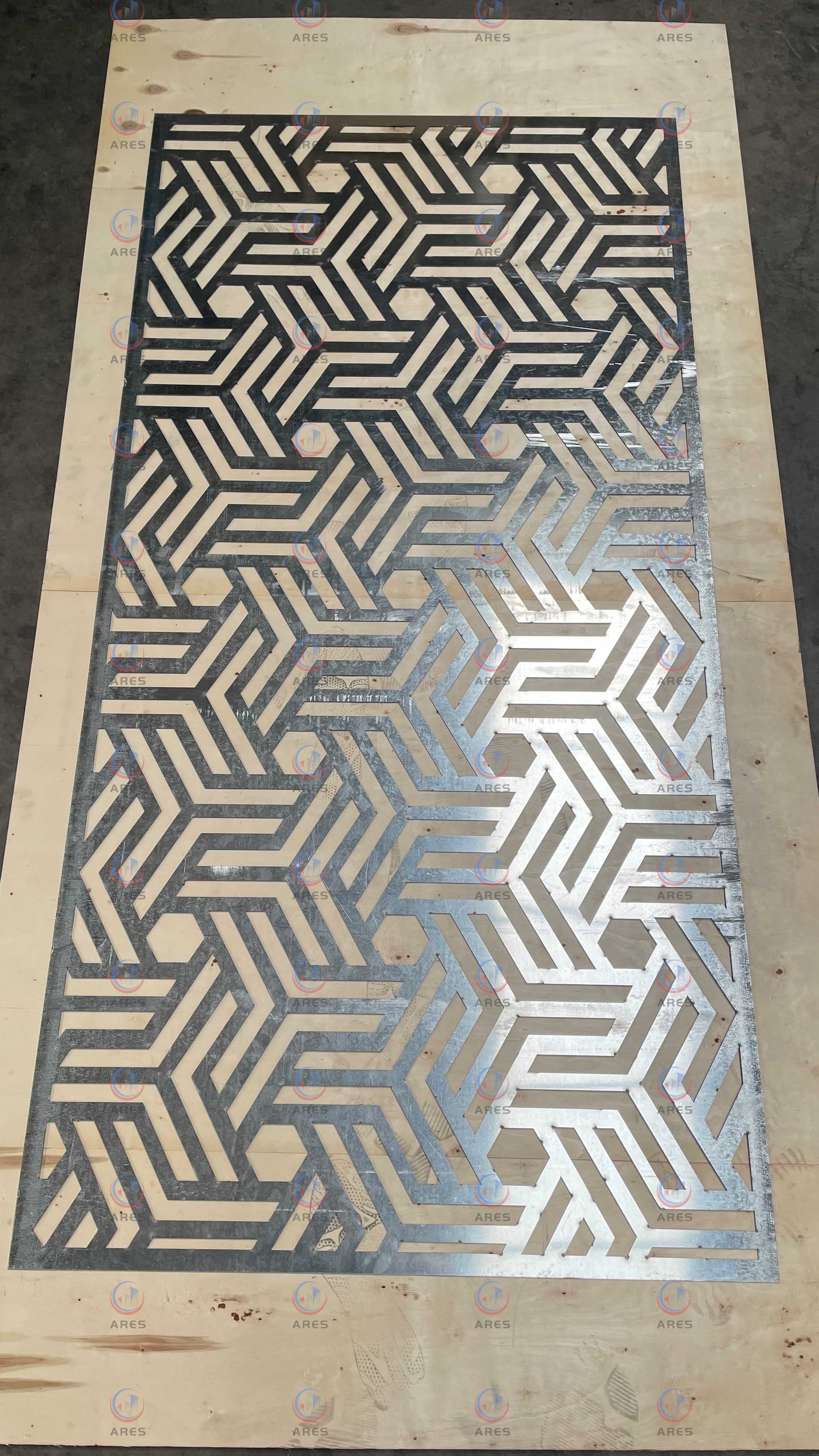
Corrugated perforated metal is characterized by its wavy or rippled surface combined with strategically placed holes. This unique design not only enhances structural integrity but also provides multiple functional benefits, including ventilation, sound attenuation, and aesthetic appeal. The perforations can be customized in size, shape, and spacing, depending on the application requirements.
Factors Influencing Wholesale Pricing
1. Material Type The type of metal used—be it aluminum, steel, or zinc—significantly influences pricing. Aluminum, for instance, is lightweight and corrosion-resistant, making it a popular choice despite being more expensive than steel.
2. Thickness and Gauge The thickness of the metal sheet, measured in gauge, directly impacts the cost. Thicker sheets are more durable and can withstand harsh conditions, but they come at a higher price. Buyers must assess their needs to find a balance between durability and cost-effectiveness.
3. Perforation Patterns Customization of perforation patterns adds another layer to the pricing. Unique designs or non-standard hole sizes may require additional setup and production time, thus affecting the wholesale rate.
4. Quantity Ordered Wholesale pricing often benefits from bulk orders. Suppliers typically offer lower prices per unit for larger quantities, making it vital for businesses to plan their purchases efficiently.
5. Supplier Location Geographic factors can also play a role in the cost. Suppliers located closer to resources may offer lower transportation costs, whereas distant suppliers might add shipping fees that contribute to the final price.
6. Market Demand and Trends Fluctuations in market demand can cause variations in price. For instance, during peak construction seasons, the demand for corrugated perforated metal may rise, leading to increased prices. Keeping an eye on market trends can help buyers make informed purchasing decisions.
Navigating the Price List
When reviewing a wholesale price list for corrugated perforated metal, it is crucial to consider not just the base prices but also any potential additional costs. Often, there are hidden fees such as shipping and handling, particularly for heavy-duty materials. Customers should inquire about detailed quotes that outline all costs involved.
Moreover, savvy buyers should compare prices from multiple suppliers. Some may offer competitive pricing but skimp on quality or service, while others might be slightly higher but offer superior products and customer support. Establishing a relationship with a reliable supplier can result in better pricing and preferential treatment in future orders.
Conclusion
As industries continue to evolve and the use of corrugated perforated metal becomes more prevalent, understanding the factors that influence wholesale pricing is crucial for businesses. By carefully analyzing the material type, thickness, customization options, order quantities, and market conditions, buyers can make informed decisions that maximize their investments. Furthermore, fostering good relationships with reputable suppliers can lead to better pricing and service, ultimately contributing to the success of any project involving this innovative material. Whether for functional or decorative purposes, corrugated perforated metal offers unparalleled value, and with the right knowledge, businesses can take full advantage of its benefits.
Leave a message for us